Capabilities
What you actually get.
Three disciplines, and the artefact that proves each one. No capability listed here exists without something you can hold at the end of it.
The interesting part is the part being skipped.
Teams arrive with a model that works in a notebook and a plan to wire it into production. The gap between those two things is where the year goes: grounding, evaluation, escalation, and an interface that tells the truth about what the model does not know.
That gap is the whole job. Everything below is what we put in it.
Discovery
Deciding whether to build
Two to three weeks that end in a written recommendation — including the recommendation not to build.
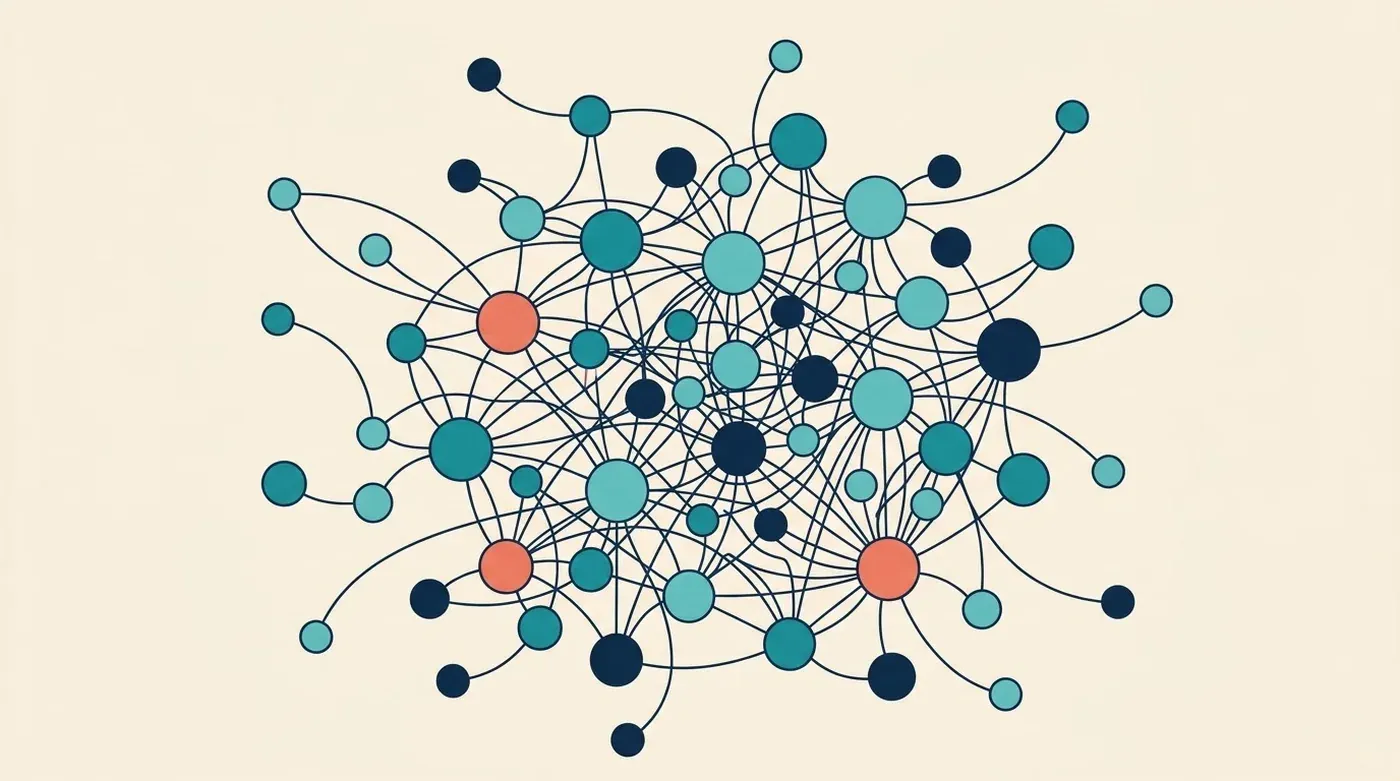
Most AI work fails before a line of code: the problem is framed wrong, the data cannot carry it, or the thing being automated was never the bottleneck. Discovery is the cheapest place to find that out. We frame the problem against your own data, run feasibility spikes on the two or three approaches that could work, and put a number on each.
- Problem framing
- The decision the system is meant to improve, written down in one page.
- Data audit
- What you have, what it can support, and where it breaks.
- Feasibility spikes
- Working prototypes of the candidate approaches, benchmarked on your data.
- Written recommendation
- Architecture, cost, risk, and the honest case against building.
Engineering
Systems that run unattended
Agents, retrieval pipelines and evaluation harnesses built to survive contact with real traffic.
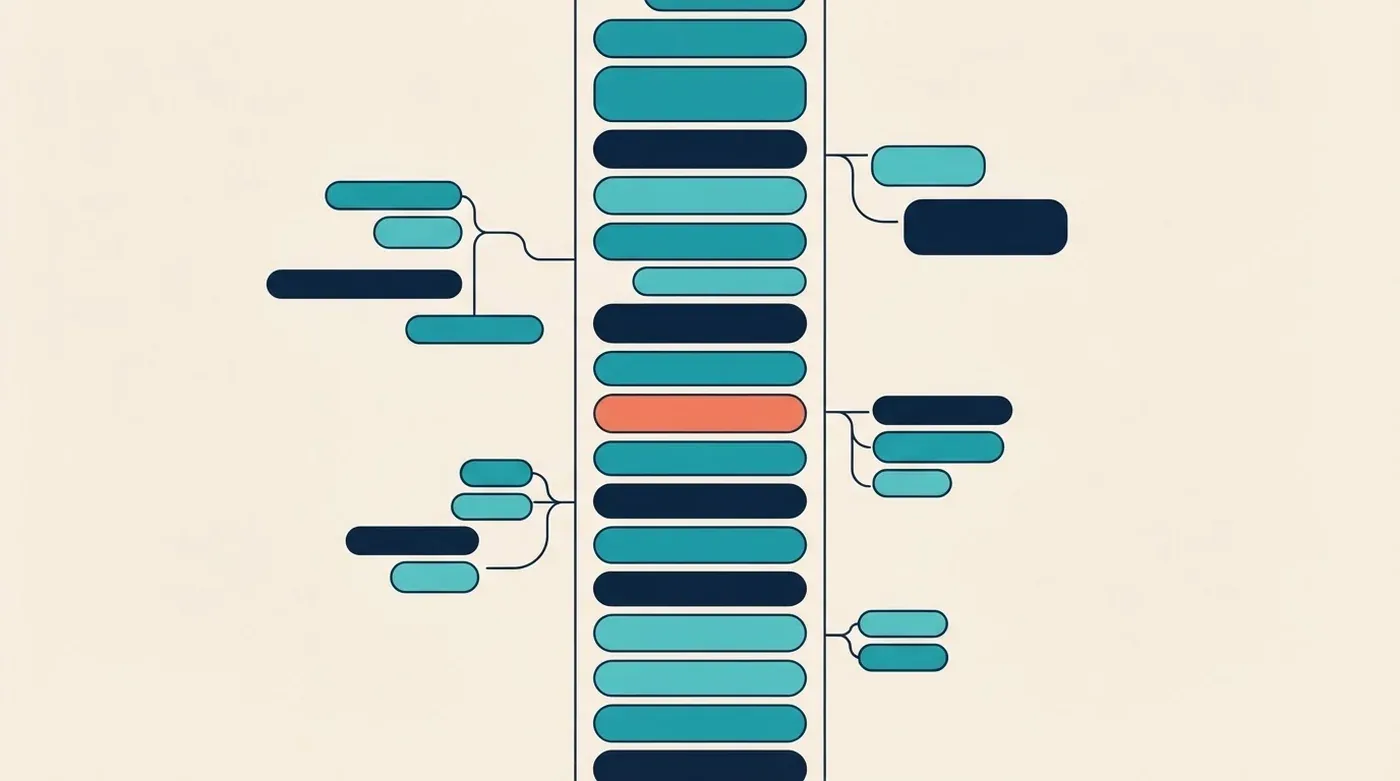
A demo answers one question well. A system answers the tenth thousand question well and tells you when it stops. We build the second kind: bounded agents with an escalation path a human can audit, retrieval that degrades honestly when the corpus does not hold the answer, and the eval suite that proves both.
- Agent orchestration
- Bounded, supervised, with an escalation path that can be audited line by line.
- Retrieval pipelines
- Chunking, ranking and grounding tuned against your corpus, not a benchmark.
- Evaluation harness
- The suite that catches a regression before your users do. Yours, and it runs without us.
- Observability
- Traces that explain a bad answer, not just the fact that one happened.
Interface
The part most projects skip
Interfaces that show model uncertainty honestly and make correcting it cheap.
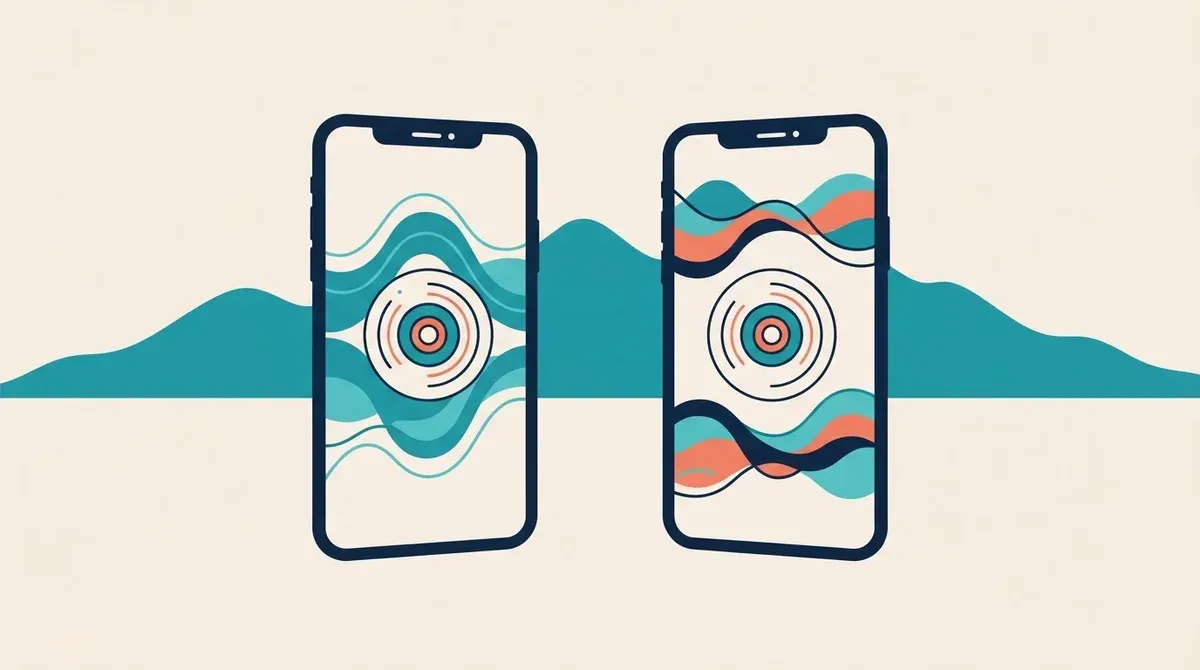
A model that is right 92% of the time is a different product depending on what the interface does with the other 8%. Hide it and you ship a confident liar. Expose it well and you ship a tool people trust enough to keep using. We treat that as part of the model problem, not decoration added at the end.
- Uncertainty design
- Confidence shown where it changes a decision, suppressed where it is noise.
- Correction paths
- Fixing a wrong answer takes one gesture and feeds the eval suite.
- Human-in-the-loop
- Review placed where the cost of being wrong actually sits.
- Front-end delivery
- Shipped, accessible interface code — not a Figma file and good luck.
Sequence
Three moves, in this order.
Nobody signs for the whole thing on day one. Discovery is priced so that stopping after it is a real option.
- 01
Discovery
Two to three weeks, fixed price. Ends in a recommendation you can act on with or without us.
- 02
Build
Six to ten weeks to a first system in front of real users. Staging is live from week two — there is never a reveal at the end.
- 03
Handover
Your engineers maintain it. Thirty days of warranty, then an optional retainer. The code, evals and documentation are yours.
What each one costs See engagement pricing
How we work, stated so you can hold us to it.
- We pair, we do not subcontract
- Your engineers work alongside ours from week one. If they cannot maintain what we build, we have failed regardless of how well it performs.
- No model lock-in
- We benchmark candidates against your data during discovery and build the abstraction that lets you switch later without a rewrite.
- Evals ship with the system
- Every system arrives with the suite that proves it works. It is the reason you can change a model on a Friday.
- One engagement at a time
- You talk to the people writing the code. There is no account manager relaying it.
Next
Bring us the problem, not the spec.
The first call is a read on whether this is worth doing at all. We answer within one business day.