The question before the model
Most AI work fails in the framing, not the training. We spend the first weeks establishing whether the problem has an answer in your data at all — and we will tell you when it does not.
Studio
Founded in 2021, Neuryn is a small team of engineers and designers shipping applied AI into contexts where being wrong has a cost.
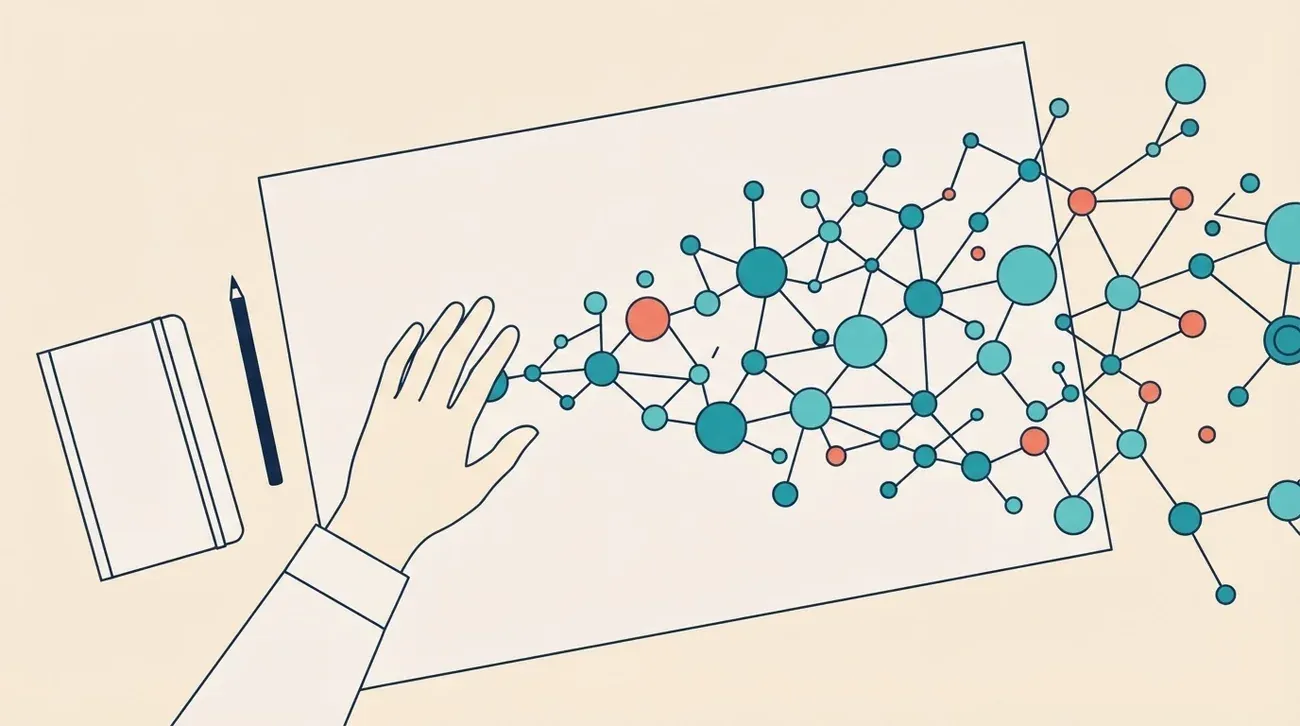
We started Neuryn because the interesting part of applied AI was being skipped. Teams were arriving with a model already chosen and a problem still undefined, and the work that mattered — deciding what correct meant, in writing, with names attached — kept getting deferred until production made it urgent.
So we do that part first. A Neuryn engagement opens with two to three weeks of discovery that ends in a written recommendation, and roughly one in five of those recommendations is that the project should not proceed as scoped. We would rather lose the build than deliver a system nobody can defend.
What we do build tends to stay built. The oldest system we shipped has been in production for three years without our involvement, which is the outcome we are actually optimising for.
Principles
Most AI work fails in the framing, not the training. We spend the first weeks establishing whether the problem has an answer in your data at all — and we will tell you when it does not.
Every system ships with the evaluation suite that proves it works. Aggregate accuracy is not a result; a reproducible set of cases with a cost and latency budget is.
We pair with your engineers from week one and plan the handover before we plan the architecture. If your team cannot maintain it after we leave, we failed.
Providers change, prices change, capabilities change. We build the abstraction that lets you switch without a rewrite, and we benchmark on your data rather than on a vendor benchmark.
Track
Team
We have never exceeded eight people, and the people you meet in the first call are the ones who write the code.
Design lead
Designs the interfaces that sit on top of the models — the part that decides whether people trust the output or quietly stop using it.

Founder & principal engineer
Builds the retrieval and agent infrastructure behind Neuryn's engagements. Ten years in distributed systems before applied AI, which mostly taught him how expensive a bad abstraction gets.
The engagements that go best start with a description of what is broken rather than a specification of what to build.